Why Tropical Humidity Destroys Outdoor Concrete Surfaces
Darwin’s tropical climate puts outdoor concrete under constant pressure. High humidity, heavy wet-season rainfall and coastal salt exposure can leave driveways, patios and pool surrounds stained, slippery or deteriorating. However, humidity alone does not destroy sound concrete. The real problem is persistent moisture working alongside poor drainage, surface defects and, in reinforced concrete, corrosion.
How Moisture Affects Concrete in Darwin
Concrete contains small, interconnected pores that absorb water. Humid air slows evaporation, while frequent rain can keep exposed surfaces damp for extended periods. Shaded areas, low spots and concrete beside irrigated garden beds are particularly vulnerable.
Properly designed and cured concrete handles moisture well. Problems develop when water repeatedly enters cracks, carries salts into the slab or becomes trapped beneath an unsuitable coating.
Algae, Mould and Slippery Surfaces
Warm, damp conditions encourage algae and other biological growth, especially where leaves and dirt accumulate. Green or dark patches are not necessarily evidence of structural damage, but they can make paths, steps and pool surrounds dangerously slippery.
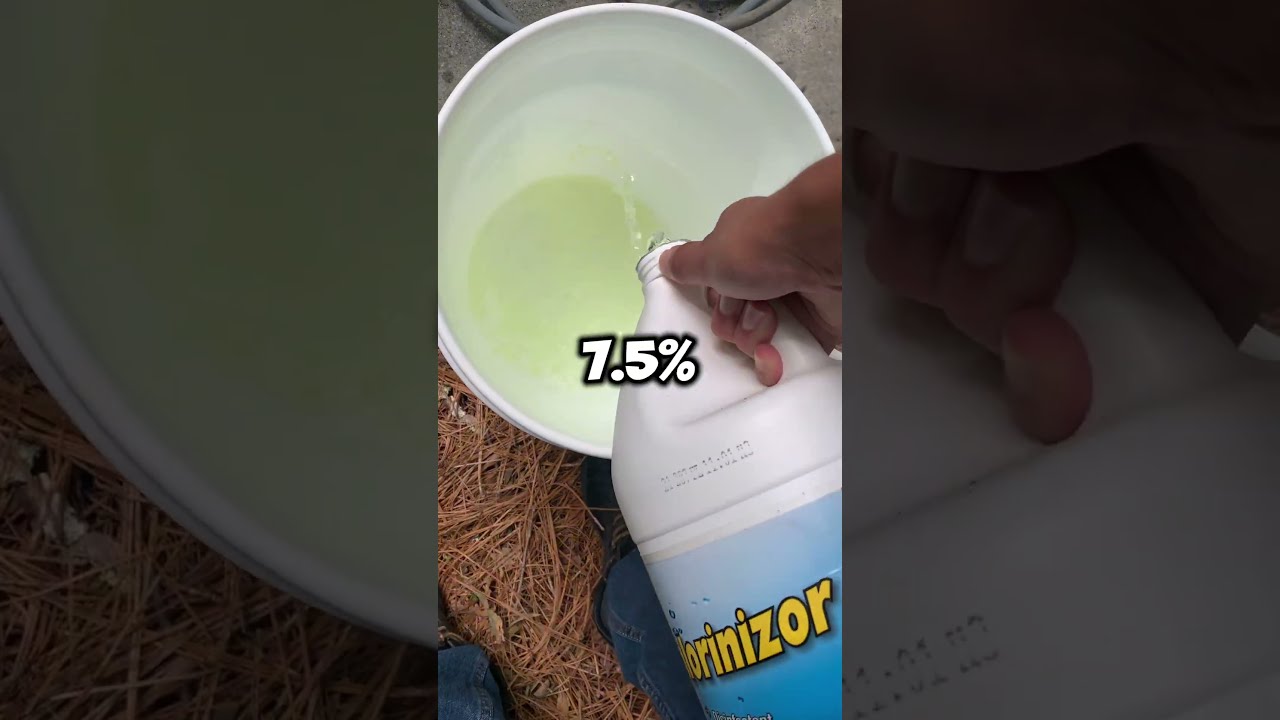
Remove organic debris regularly and use a cleaner labelled as suitable for concrete and the growth being treated. Follow its directions, protect nearby plants and prevent contaminated wash water from entering stormwater drains.


Salt Movement and Reinforcement Corrosion
Water moving through concrete can carry dissolved salts to the surface, leaving a white, powdery deposit called efflorescence. This is often cosmetic, but recurring deposits can indicate ongoing https://pressurecleaningdarwin.com.au/tennis-court-cleaning/ moisture movement. Some salts can also contribute to surface deterioration as they crystallise within pores.
In Darwin’s coastal areas, airborne chlorides create an additional risk. If chlorides reach embedded steel through permeable concrete or cracks, they can promote corrosion. Expanding rust can then crack the concrete and force pieces to break away, a process known as spalling.
Why Outdoor Concrete Coatings Peel or Blister
Persistent moisture can interfere with coating adhesion. Applying a sealer or paint to damp, poorly prepared concrete may cause whitening, blistering or peeling. During humid weather, condensation can also form on a surface that appears ready for coating.
A dry-looking surface is not proof that concrete is ready to seal. Contractors should assess substrate moisture using the coating manufacturer’s specified method and follow temperature, humidity, dew-point and rain-free curing requirements.
Practical Ways to Protect Darwin Concrete
- Improve drainage: Clear drains and redirect irrigation so water does not continually collect against slabs or buildings.
- Clean gently: Start with a suitable cleaner and stiff nylon brush. Aggressive pressure washing can erode weak concrete and damage decorative finishes.
- Investigate cracks: Check whether cracks are stable or moving before choosing a repair material. Covering an active crack rarely solves the underlying problem.
- Choose the right protection: A suitable penetrating water repellent may reduce rainwater absorption while allowing vapour movement. It does not bridge cracks or stop moisture rising from below.
- Maintain traction: For wet paths and pool surrounds, select a coating system with slip resistance appropriate to the location.
- Allow proper curing: New concrete needs controlled curing and sufficient preparation time before coating, according to the specified system.
When to Arrange a Professional Assessment
Seek advice if concrete develops exposed reinforcement, rust staining, loose fragments, widening cracks or persistent coating failure. Uneven slabs and significant movement also warrant investigation rather than a cosmetic resurfacing job.
For Darwin properties, effective concrete maintenance starts with identifying where moisture enters and why it remains. Fixing drainage and underlying defects before cleaning, repairing or sealing gives outdoor surfaces a better chance of lasting through successive wet seasons.
Darwin Pressure Cleaning
(08) 8931 2278